
The Cotton Club: Jazz, Prohibition and Segregation in Harlem
In the heart of Harlem, the Cotton Club embodied the contradictions of the 1920s: a temple of jazz, a showcase of luxury and a symbol of very real segregation. Founded as the Club Deluxe, taken over by Owney Madden and made famous by Duke Ellington, it helped Black culture reach a national audience while keeping Black patrons at a distance.
An Address in the Heart of Harlem
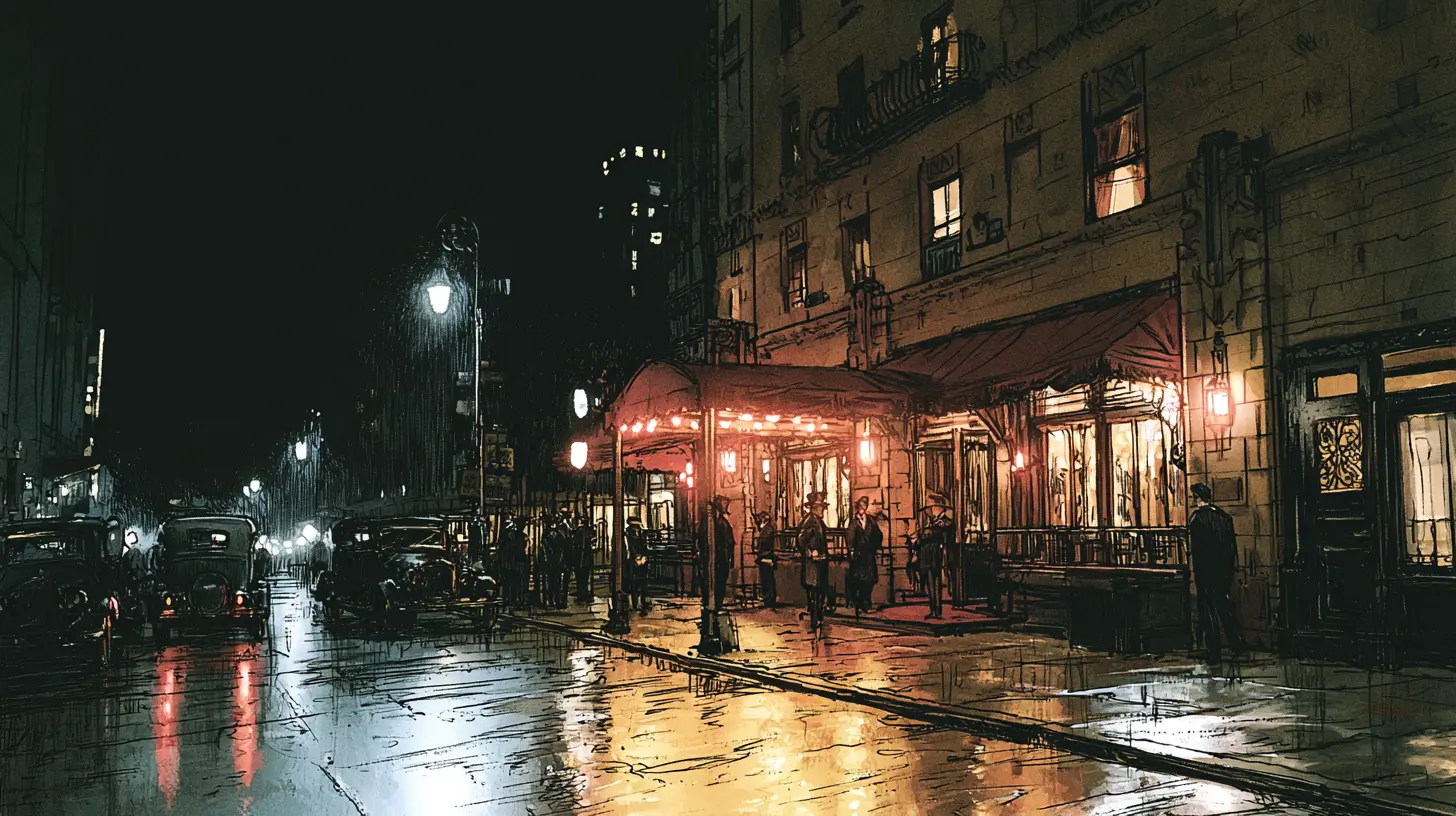
In the early 1920s, the Lenox Avenue establishment was known as the Club Deluxe. Founded by Jack Johnson, the former world heavyweight boxing champion, it was later taken over by Owney Madden, a figure in organized crime and the illegal liquor trade. Renamed the Cotton Club, it quickly became one of Harlem’s most sought-after venues. Its spectacular décor, revues and luxurious atmosphere drew patrons from across Manhattan.
During Prohibition, the club was part of an economic system far larger than the nightclub itself. Elegant evenings, tables crowded with glasses and parties stretching late into the night concealed an operation supplied by underground networks. The Cotton Club gave this economy a glamorous façade: here, illegal liquor no longer evoked warehouses and docks, but evening dress, orchestras and stage lights.
The Sound of an Era
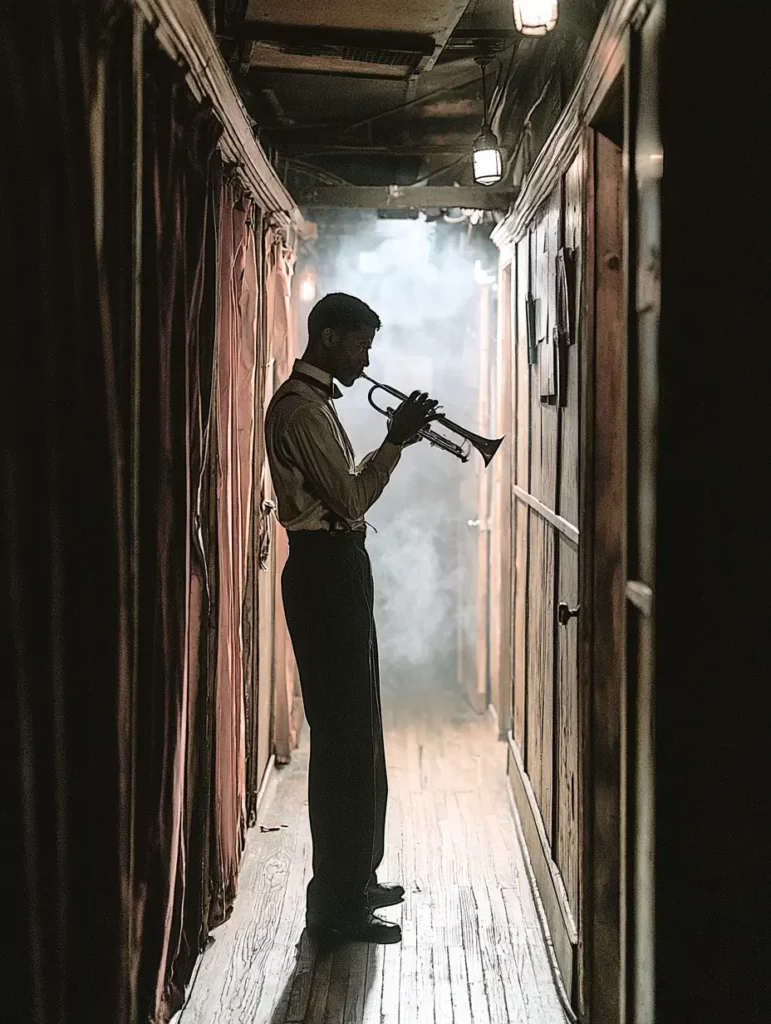
In 1927, Duke Ellington and his orchestra began a regular engagement that profoundly transformed the club’s reputation. The composer developed a sophisticated musical language there, designed both to accompany the revues and captivate the audience. The Cotton Club became one of the venues from which Ellington’s talent reached a national audience. His years in Harlem played a major role in shaping his musical voice and establishing his stature as a bandleader.
The club’s success rested on the combination of exceptional entertainment and a meticulously staged vision of luxury. Each evening promised a complete experience: music, dance, décor and service blended into one continuous spectacle. Backstage, however, the performers worked in a world very different from the one presented to the customers.
A Showcase and a Contradiction
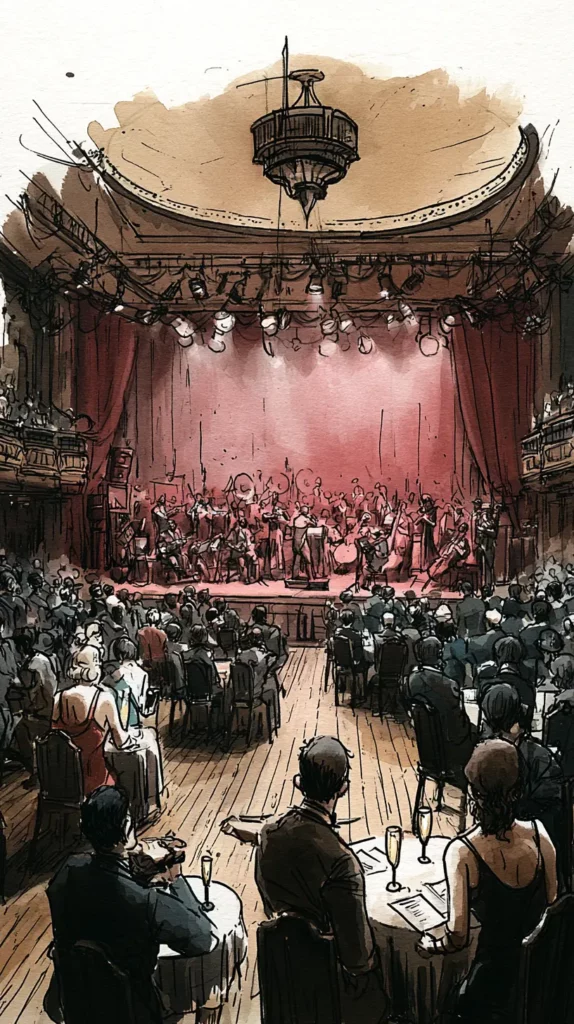
The Cotton Club owes much of its legend to African American performers, yet the venue enforced a segregationist admissions policy. Black musicians, singers and dancers occupied the stage while the audience remained predominantly white. This divide reveals one of the club’s defining paradoxes: it helped make major artists famous while exploiting the social codes and inequalities of its era.
Understanding the Cotton Club today therefore means holding two realities together. The club was a crucial stage for jazz and a dazzling symbol of Prohibition nightlife. But it was also a place of discrimination, where Black culture was admired, commercialized and kept at a distance. That tension is precisely what makes the venue so significant: behind the gilt, champagne and music lies the full social complexity of America in the Roaring Twenties.