

Smuggling route
FROM SAINT-PIERRE TO DEMERARA
In Search of Black Rum
Between 1920 and 1933, Saint-Pierre-et-Miquelon became a key hub in the Atlantic liquor trade, linking Canadian and European spirits, Caribbean stopovers and the rum-producing region of Demerara in British Guiana.
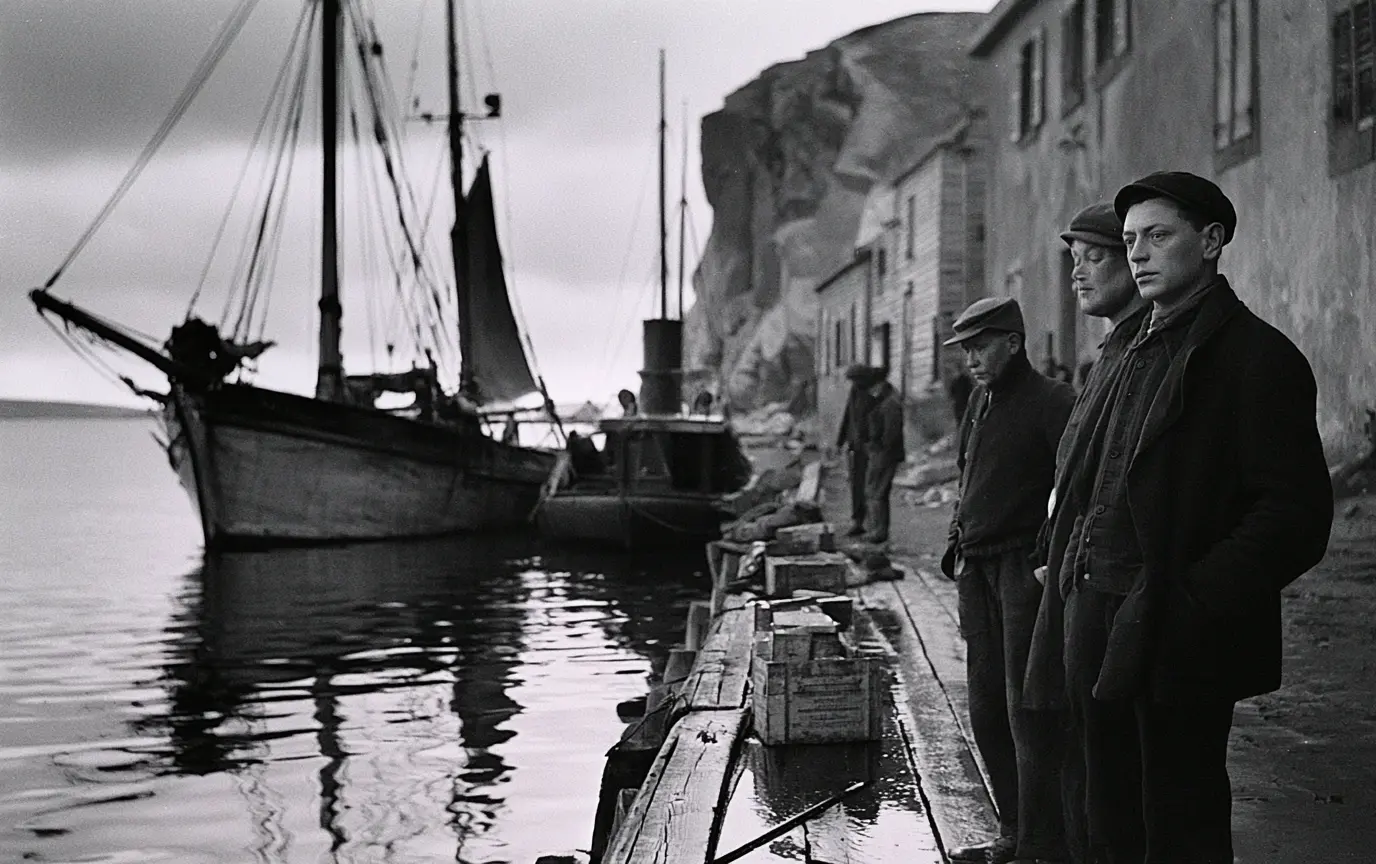
Route profile
- Departure point
- Saint-Pierre-et-Miquelon
- Arrival point
- Demerara, British Guiana
- Geographical area
- Atlantic Coast
- Type of traffic
- Rum
- Means of transport
- Schooners, tramp steamers, fast motor ships
- Intermediaries
- Local shipowners, French brokers, Canadian sailors, organized crime syndicates
Key stages of the route
-
1
Stage 1 Departure: Whisky and cod loaded at Saint-Pierre
-
2
Stage 2 Transshipment: Sales along Rum Row as far south as Florida
-
3
Stage 3 Stopover: Cod unloaded and rum taken aboard in the French Caribbean
-
4
Stage 4 Crossing: South through the Caribbean toward South America
-
5
Stage 5 Arrival: High-proof Demerara rum collected at destination
THE ROUTE
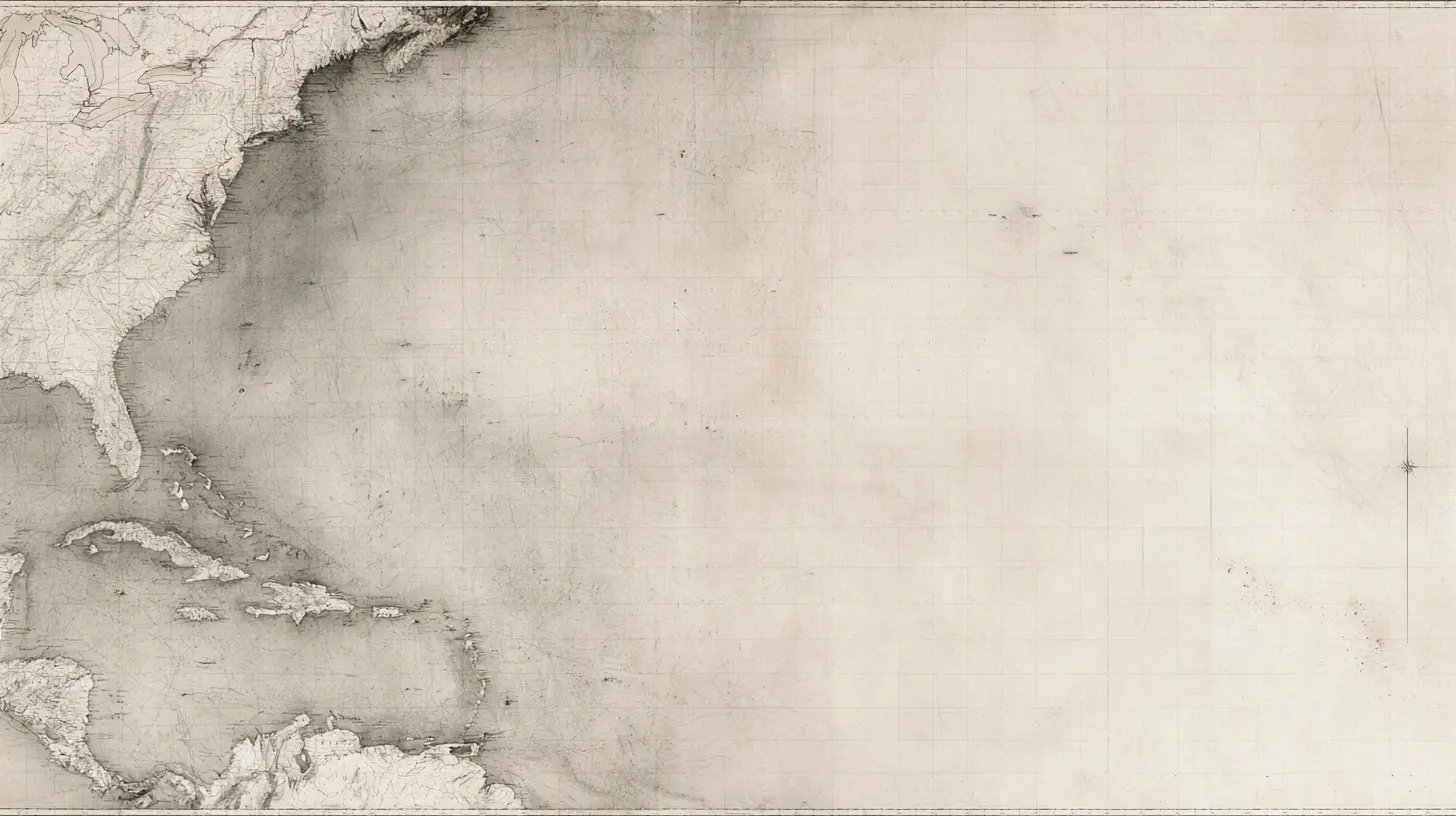
01 | DEPARTURE
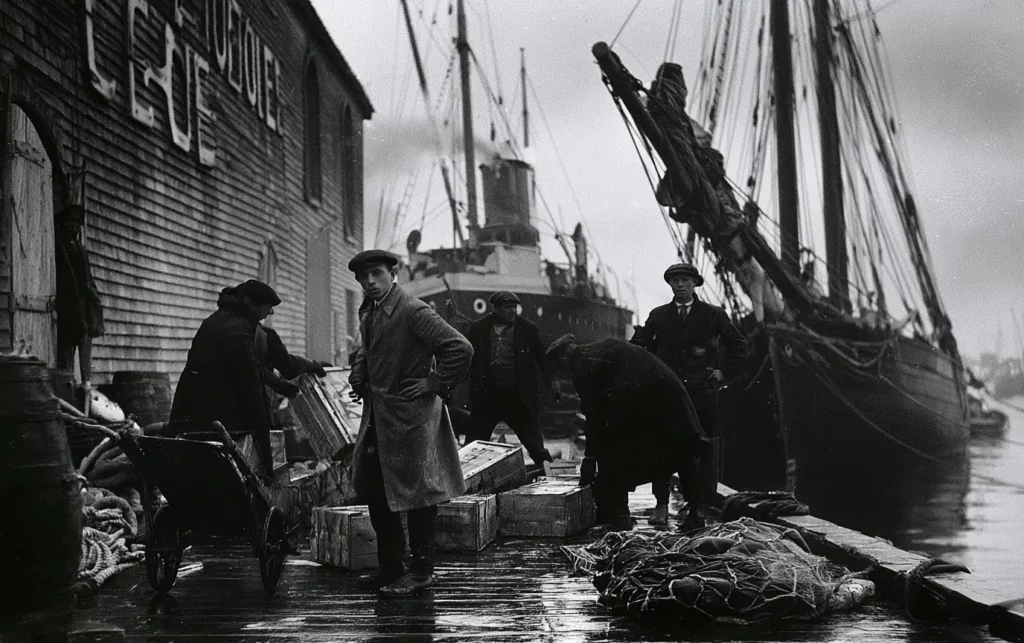
Saint-Pierre, the French-flagged island
The port of Saint-Pierre became a major hub of the international liquor trade. Taking advantage of French sovereignty and the island’s free-port status, millions of cases of Canadian whisky and European spirits could be stored there legally before being shipped south.
02 | THE CROSSING
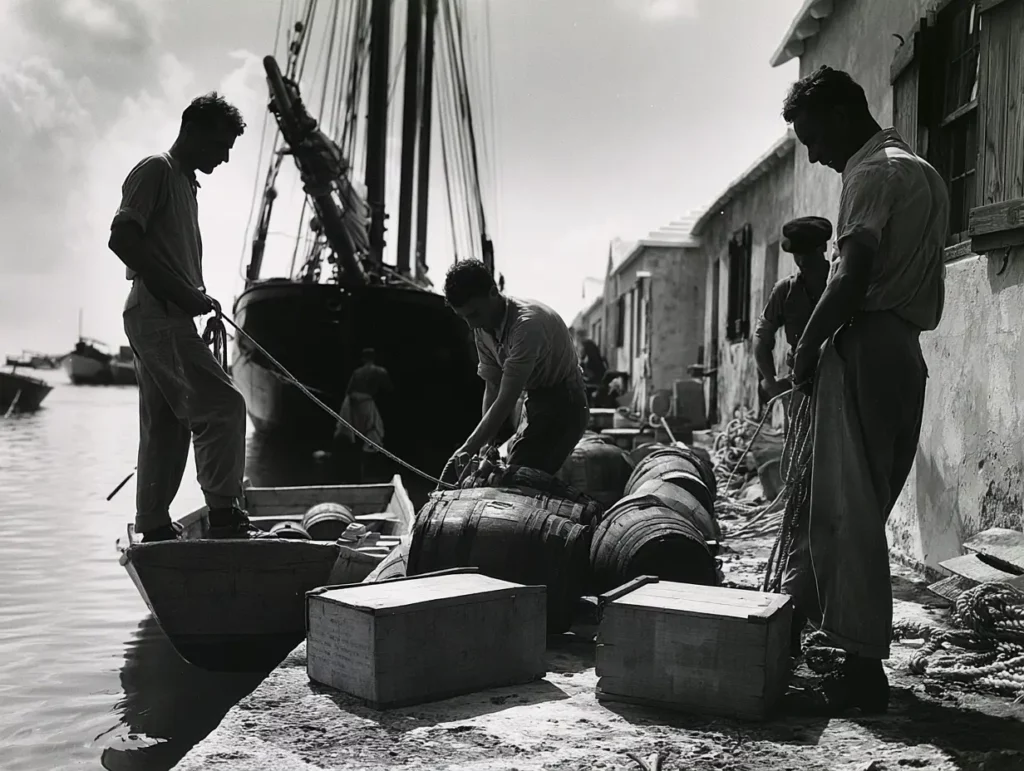
Down the Atlantic, past the patrols
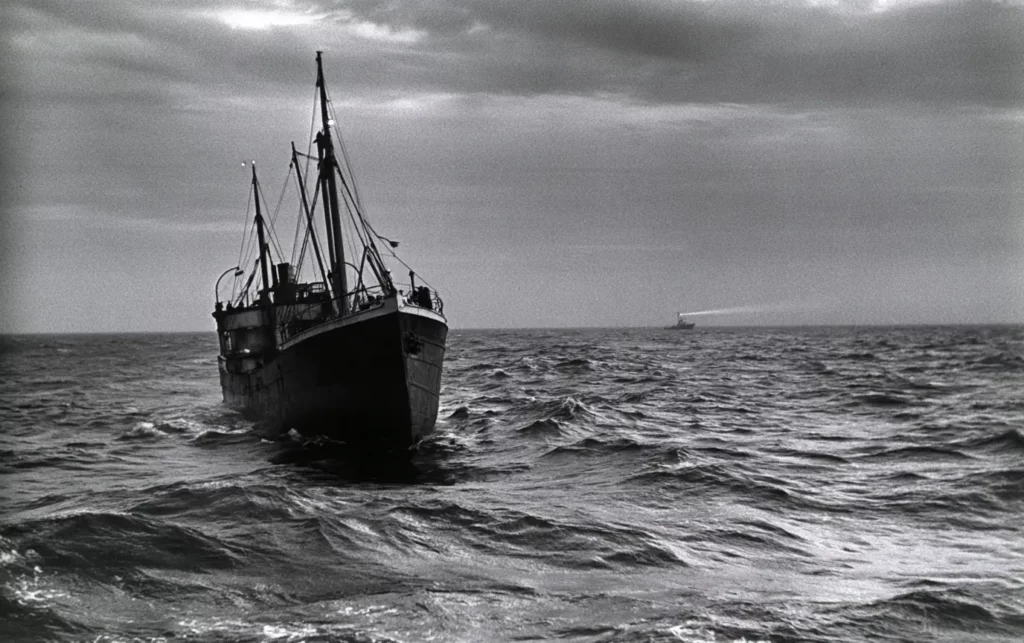
Captains sailed off the American coast along Rum Row. To avoid the U.S. Coast Guard, vessels remained strictly in international waters and communicated by light signals or coded Morse messages.
03 | THE STOPOVERS
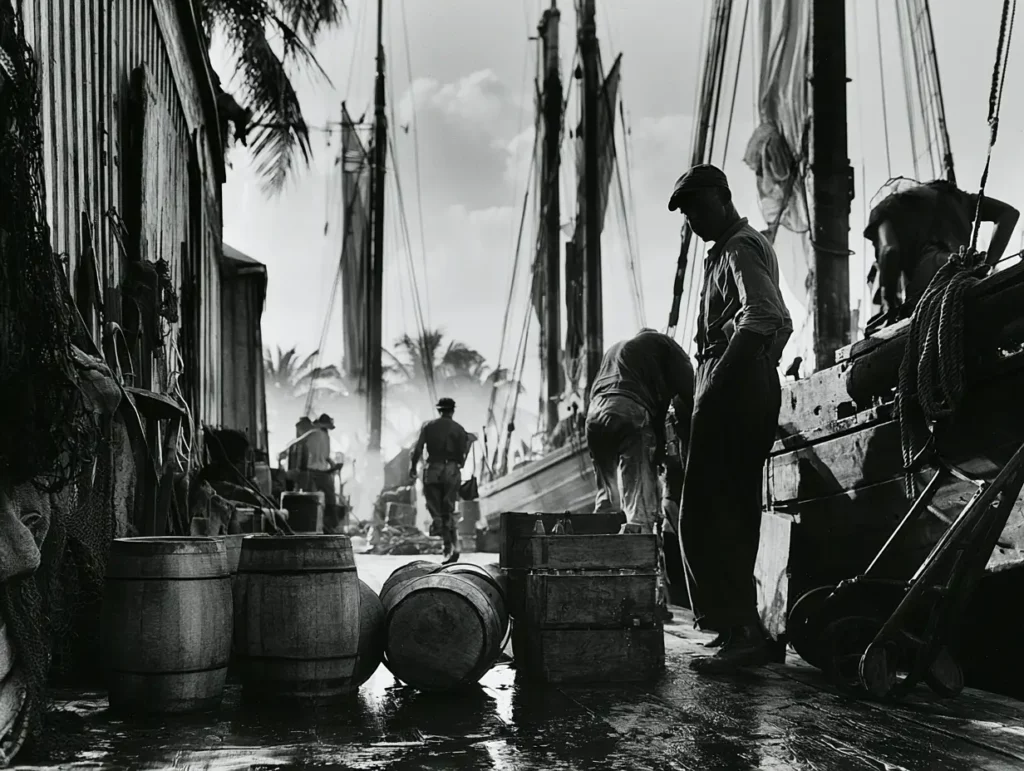
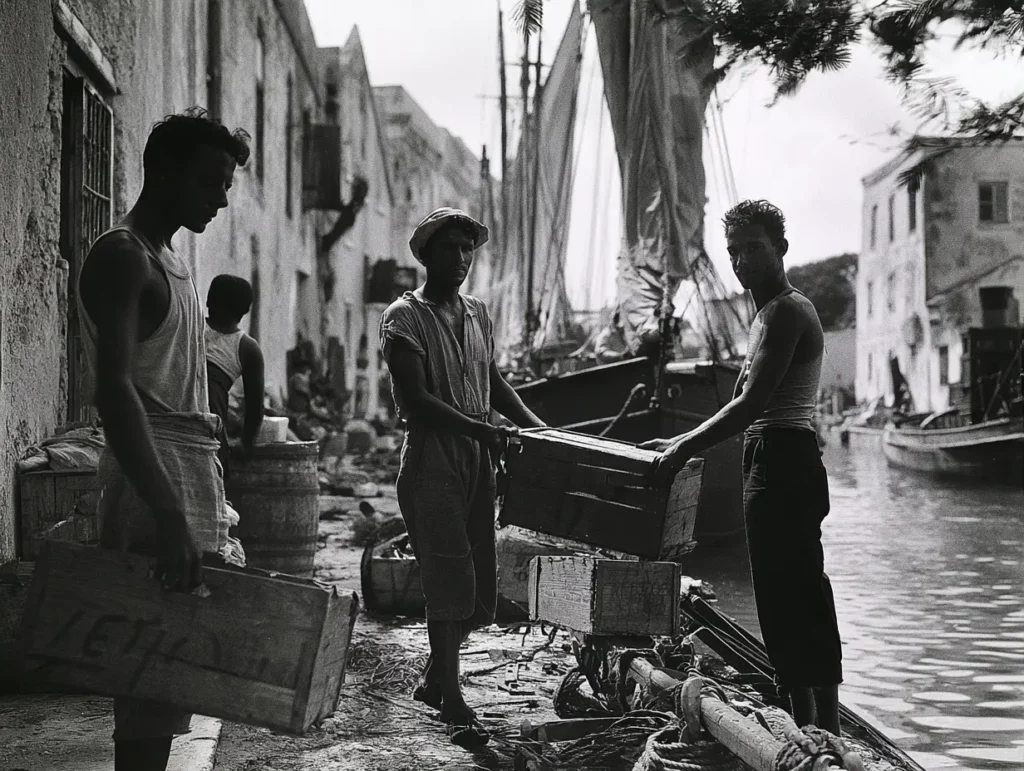
Relay ports across the Caribbean
04 | TRANSSHIPMENT
Delivery at sea
Away from the main shipping lanes, cargoes were transferred from the larger vessels to schooners, small boats or coastal craft capable of approaching shorelines and estuaries.
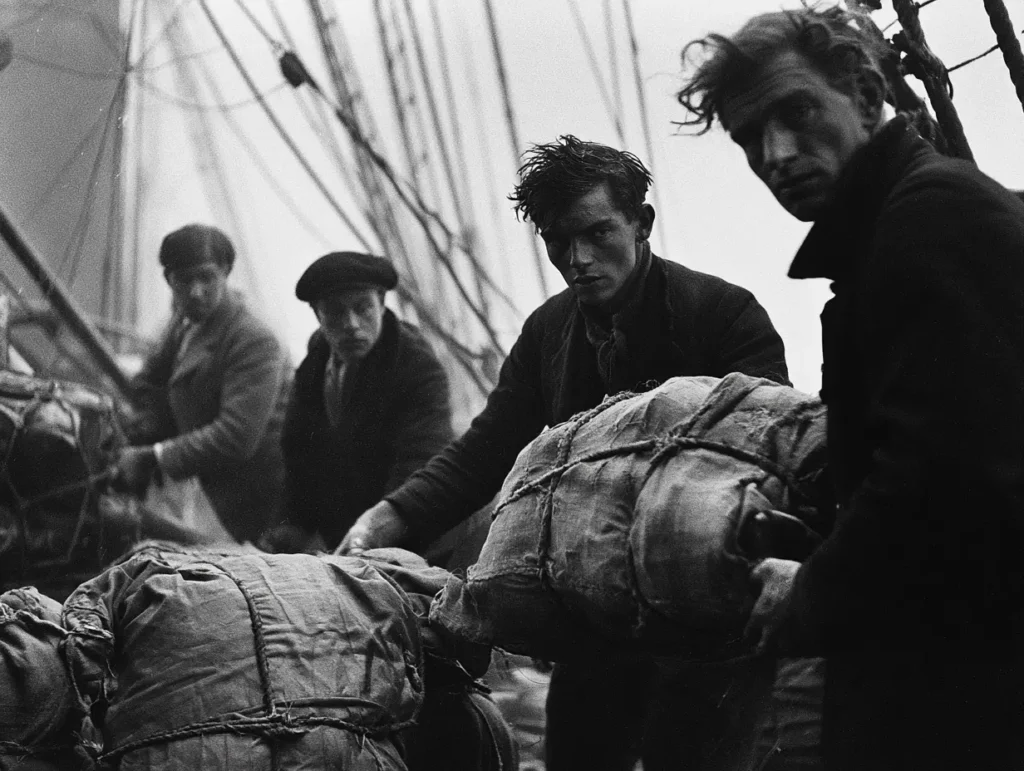
These operations required precise coordination among captains, brokers and local crews. Darkness, fog and light signals became the crews’ principal allies.
05 | THE CARGOES
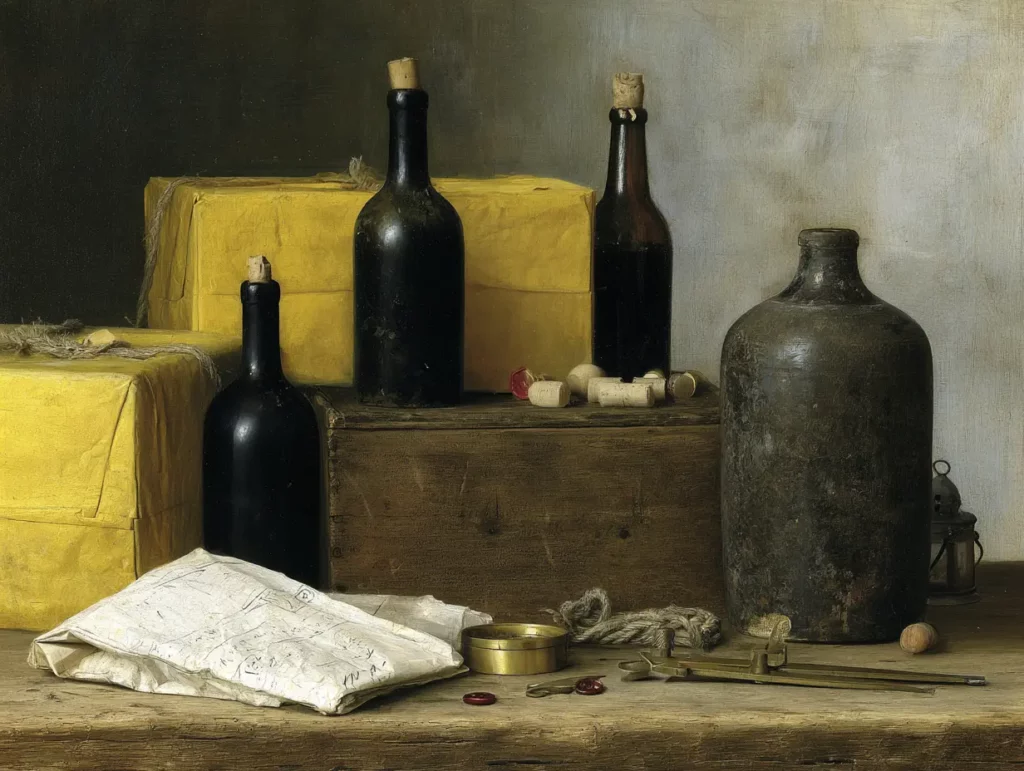
From malt whisky to Demerara rum
While Saint-Pierre mainly shipped whisky and other spirits south, the Demerara route also supported a two-way trade: the celebrated rum of the Demerara region moved north, while North Atlantic liquor travelled south under cover of false shipping papers.
06 | THE RISKS
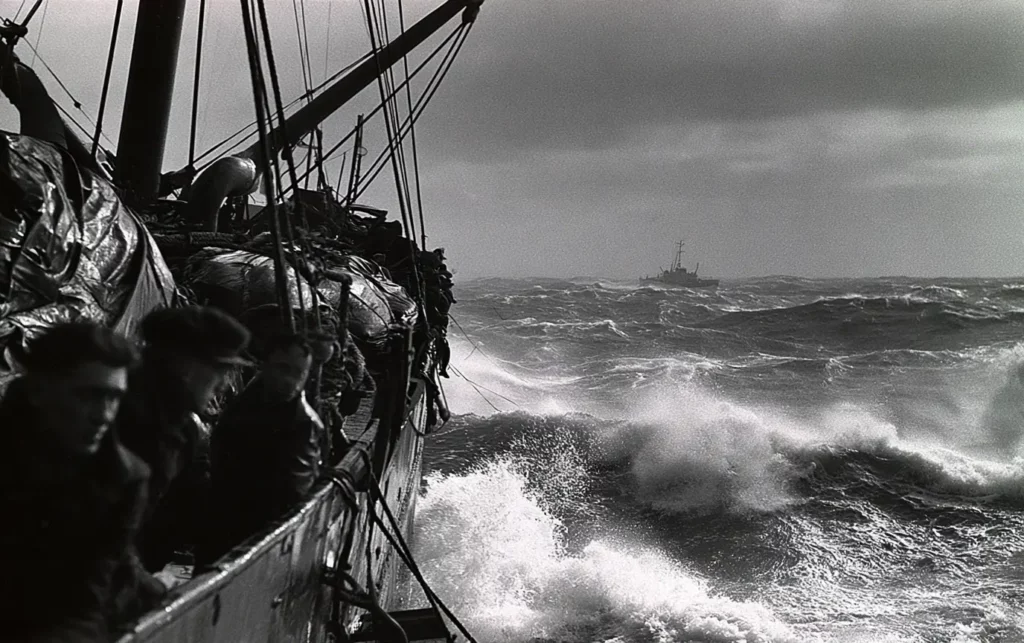
North Atlantic storms and customs blockades
Customs seizures near territorial waters, breakdowns at sea and dishonest intermediaries made the route from the cold North Atlantic to the equatorial heat a hazardous one.
Intercepted signal
Maritime telegram
-- .- .-. .. -. . ... / . -. / ... ..- .-. ...- . .. .-.. .- -. -.-. .
Possible translation
« Patrol sighted off Demerara. Divert the cargo. »
Intercepted by British customs authorities
07 | ARRIVAL
Demerara, a tropical trading post
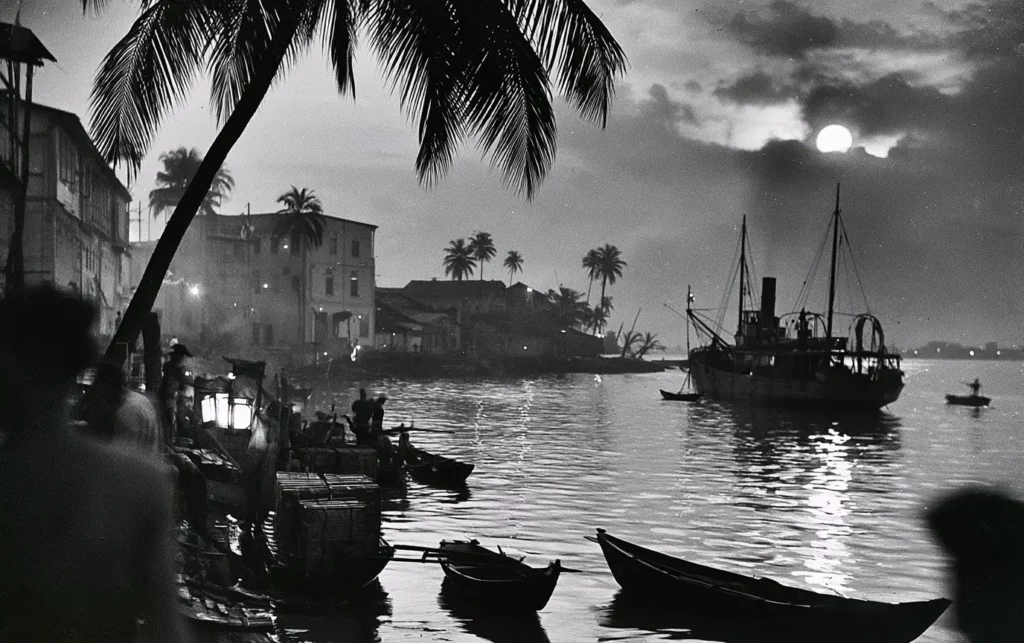
Once the vessels reached the mouth of the Demerara River, cargoes were unloaded at night onto small boats and coastal craft serving clandestine networks, drinking establishments and trading posts in South America.
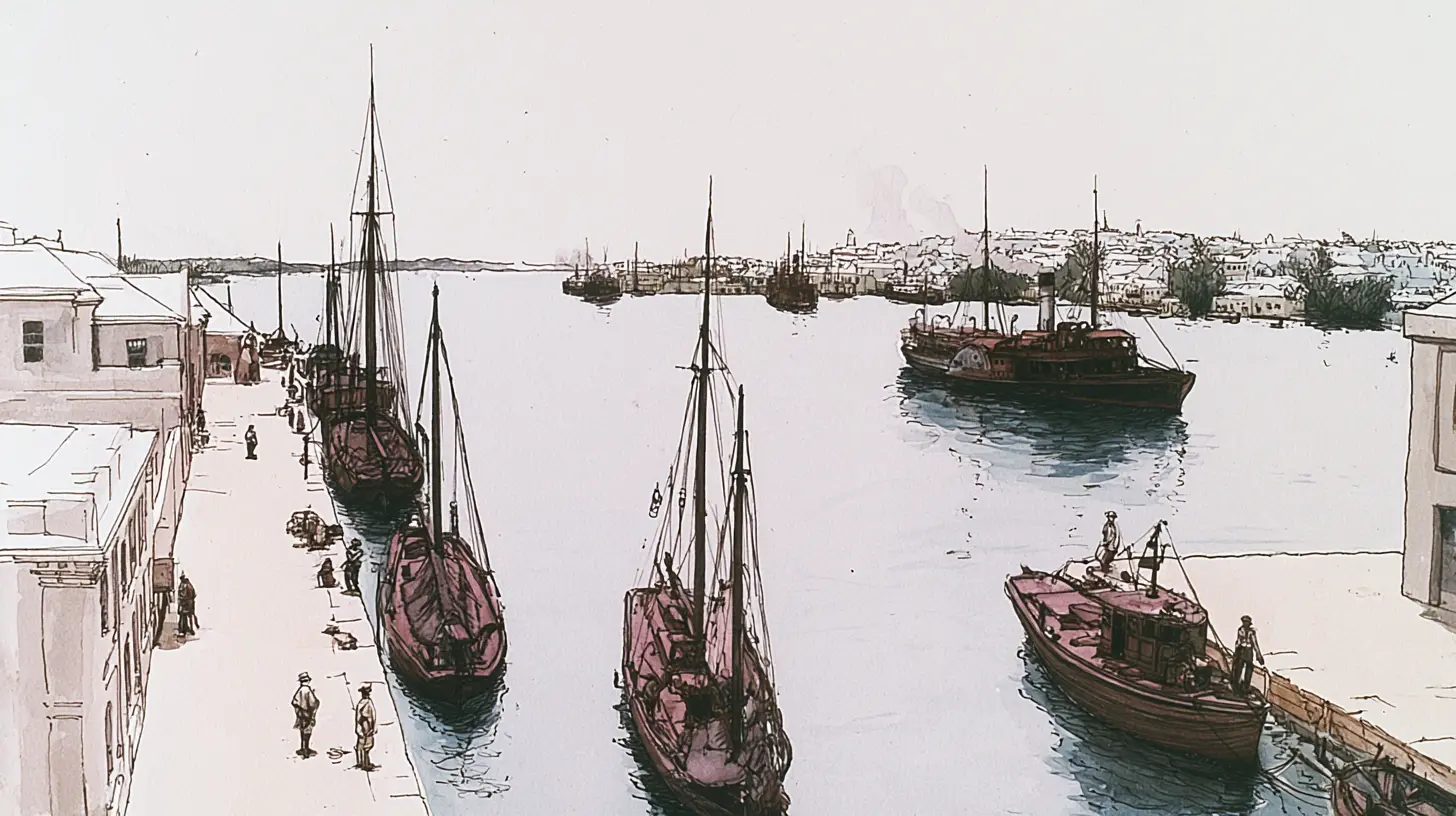
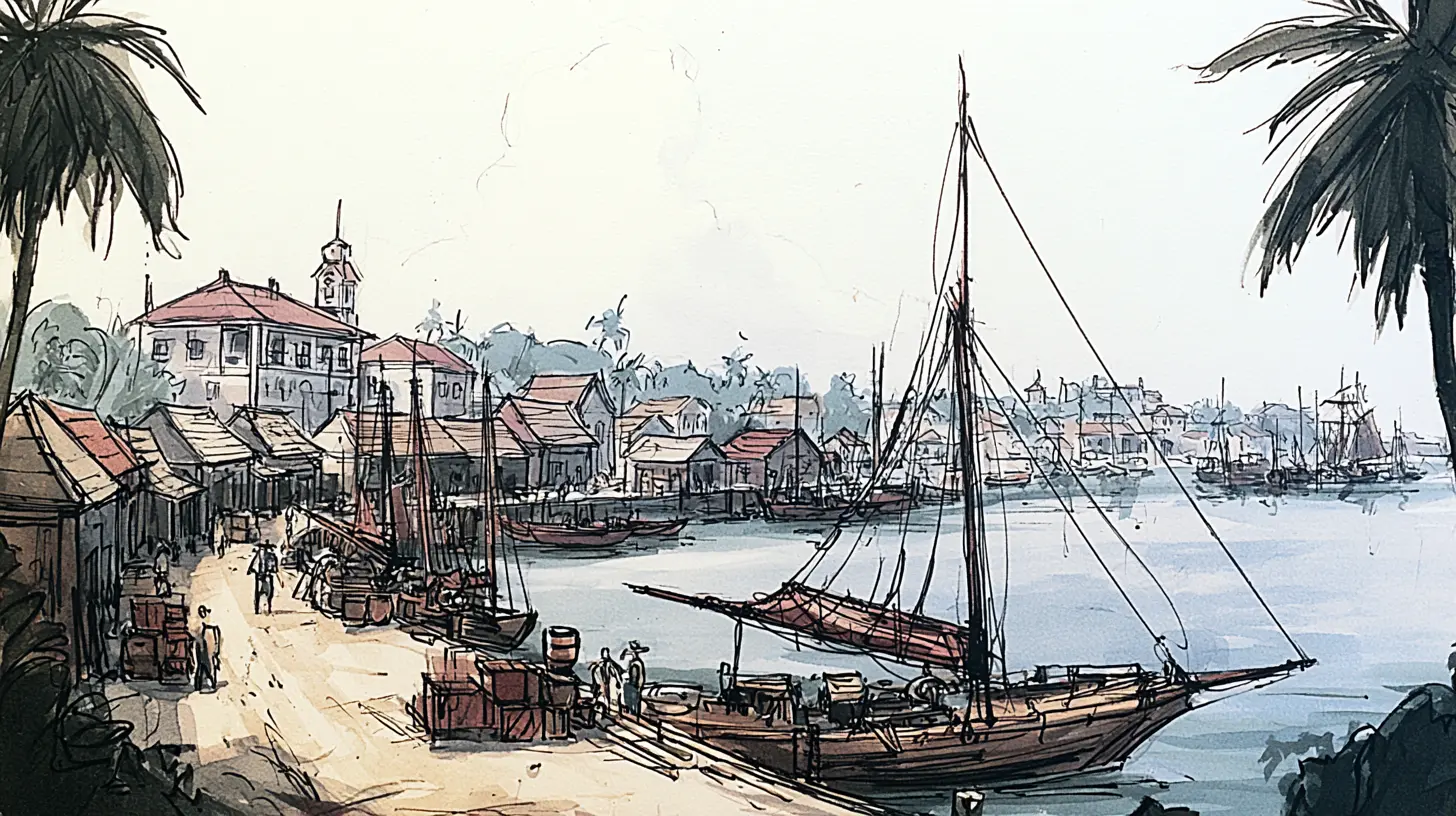
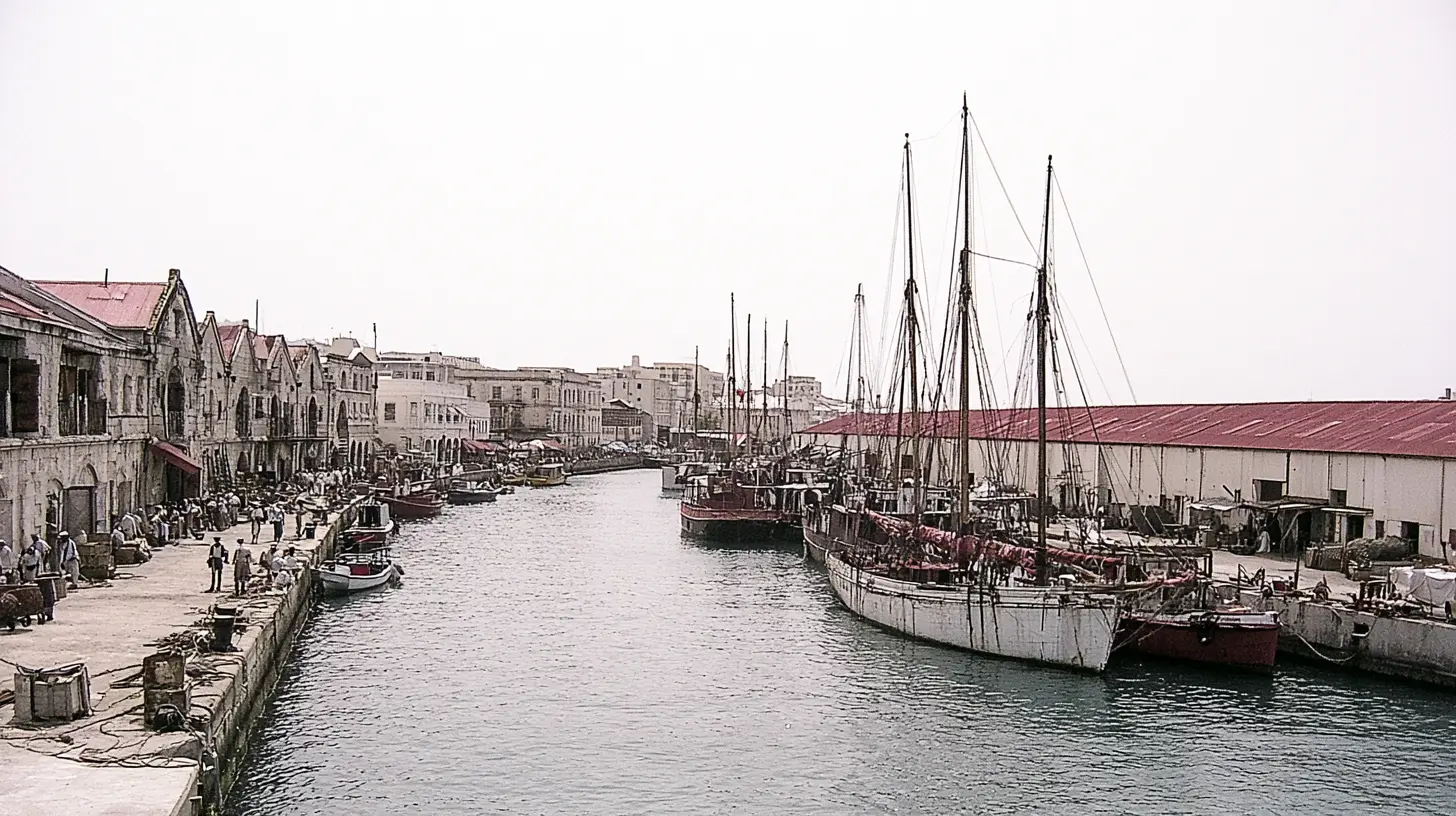
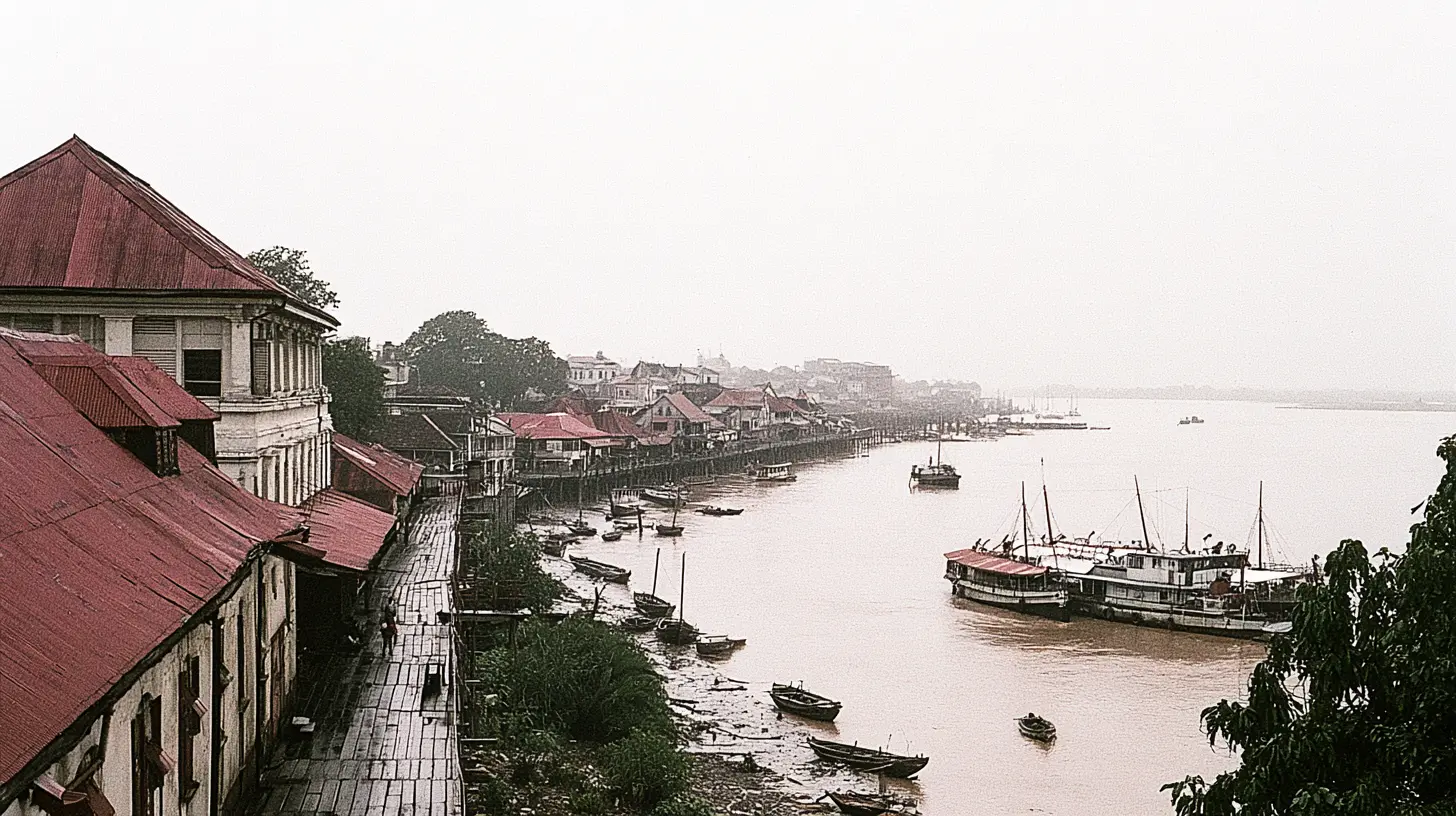
Stopovers and connections
Ports and cities along the route
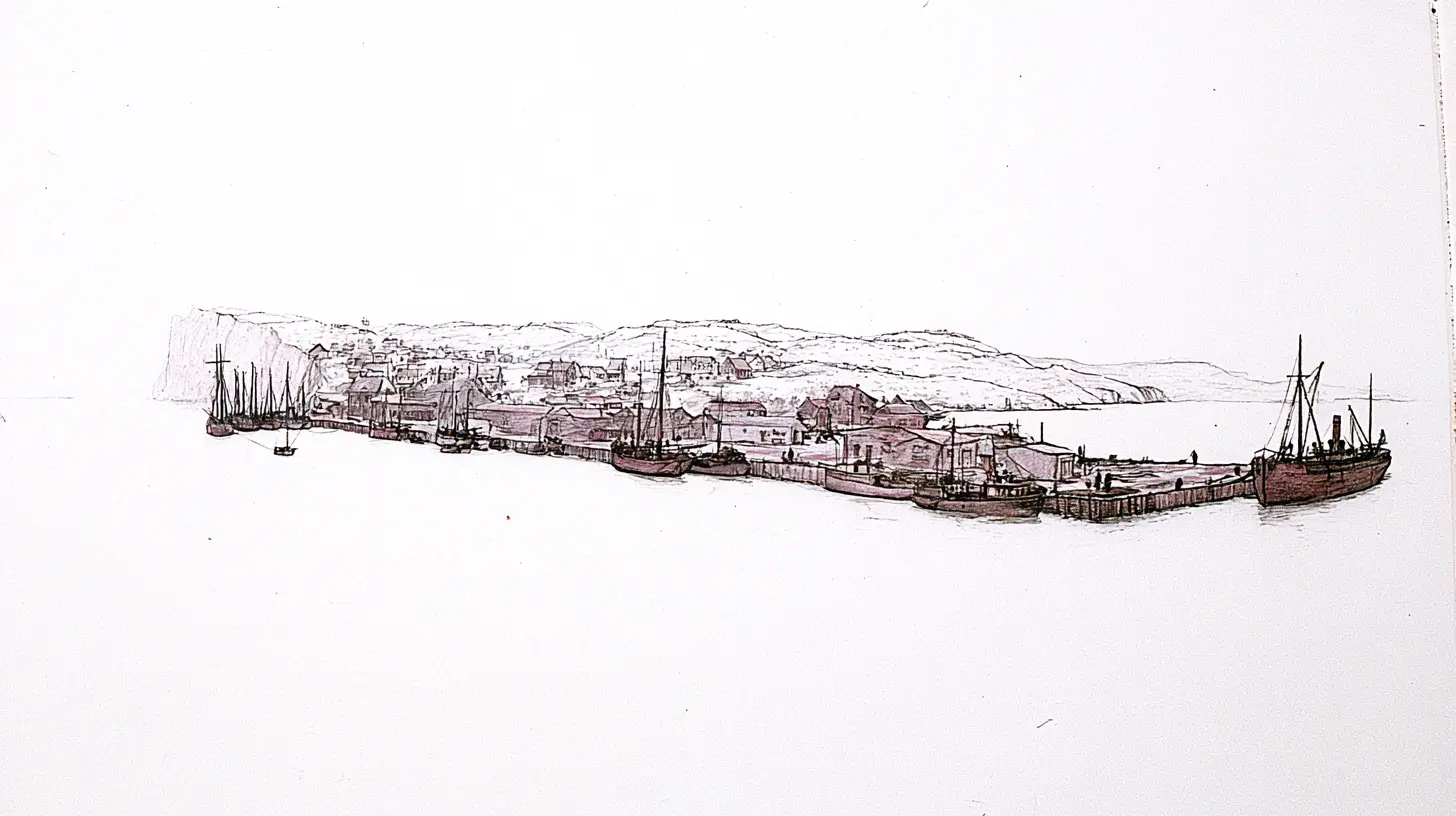
Cinq ports jalonnent cette route, des brumes de Saint-Pierre aux eaux tropicales de Demerara.
FREQUENTLY ASKED QUESTIONS
How did Saint-Pierre become a capital of liquor smuggling?
Its status as French territory and its strategic proximity to Canada and the United States made it an ideal hub for the liquor trade.
What role did Demerara play in the liquor trade?
Demerara was both a strategic South American trading point and a renowned source of high-proof rum.
What flags did vessels on this route sail under?
They mainly sailed under French, British or Panamanian flags, which complicated enforcement and seizure at sea.