Charlie Chaplin and His Friends Launch United Artists
Charlie Chaplin, Mary Pickford, Douglas Fairbanks and D. W. Griffith join forces to create their own distribution company. Faced with producers who control contracts, salaries and film distribution, four of cinema’s biggest stars want to regain control of their work.
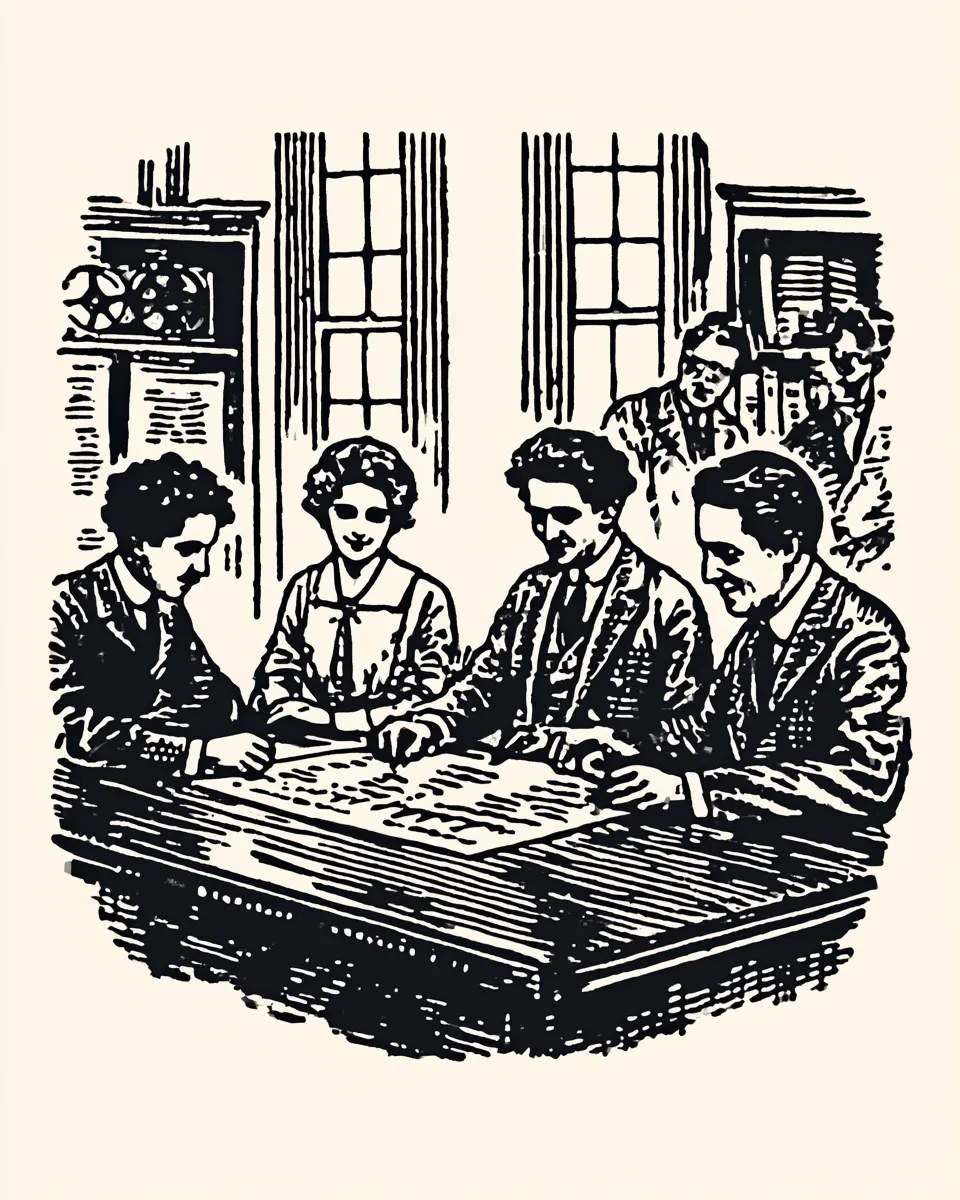
In Hollywood, the photograph looks almost like a coup staged in business suits. Around a table, four of the world’s most famous artists sign the documents creating United Artists. Mary Pickford, Douglas Fairbanks, Charlie Chaplin and director D. W. Griffith no longer want to depend entirely on the major companies already dominating the film industry.
American cinema is undergoing a profound transformation. Films are becoming longer, more expensive and more popular. Producers seek to control the entire chain, from production to movie theaters. Actors and directors, even famous ones, remain tied to contracts that restrict their artistic and financial choices.
A Star Short of Cash
Chaplin already knows this frustration. Despite his enormous success, he struggles to secure the budgets and time needed to make films on his own terms. Mary Pickford, known as “America’s Sweetheart,” is one of the country’s highest-paid actresses, but she wants to choose her projects and control their distribution. Douglas Fairbanks wants to preserve the freedom behind his adventure comedies. Griffith, meanwhile, is determined to protect his independence as a director.
United Artists will not quite be a traditional studio. Its main purpose is to allow the founders to produce their own films and then distribute them without relying on rival companies. They can therefore retain ownership of their work and negotiate directly with theater operators. The Academy Museum describes this revolution as giving artists greater control over their creative work and earnings as the studio system expanded.
Admiration and Jealousy
The trade press watches the initiative with a mixture of admiration and anxiety. According to a phrase that became famous, an industry executive is said to have declared that “the inmates are taking over the asylum.” The image is perfect: the stars whom producers thought they controlled have just built their own exit.
The venture remains risky. Each founder is expected to supply new films regularly, while Chaplin and Griffith work slowly. United Artists does not yet possess the vast theater network enjoyed by its competitors. Yet its creation permanently changes the balance of power in Hollywood.
The Benefits for Creators
For the first time, leading artists openly assert that a film does not belong only to the person who finances it. It also belongs to those who imagine it, make it and give it a face.
In the America of 1919, where industrialists, moral leagues and public authorities increasingly seek to regulate society, four stars have signed a small declaration of independence. United Artists is officially founded on February 5, 1919.
The latest editions of The French Gazette
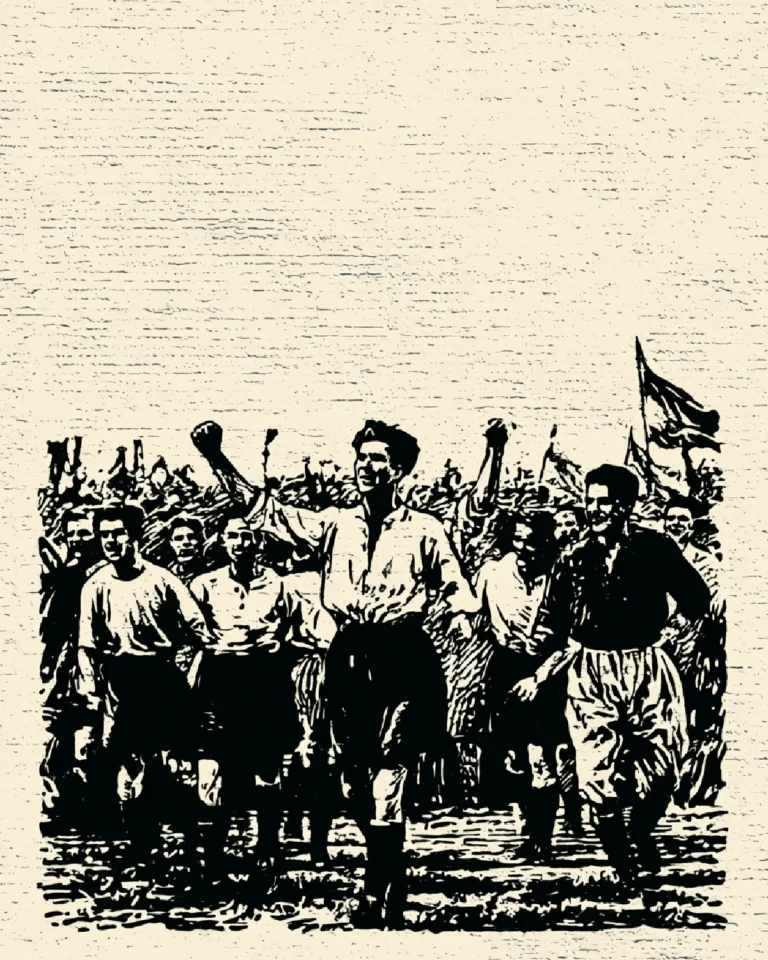
FC Sète Finally Wins the Coupe de France
On April 27, 1930, FC Sète wins the first Coupe de France in its history, defeating Racing Club de France 3–1 after extra time.
Read this edition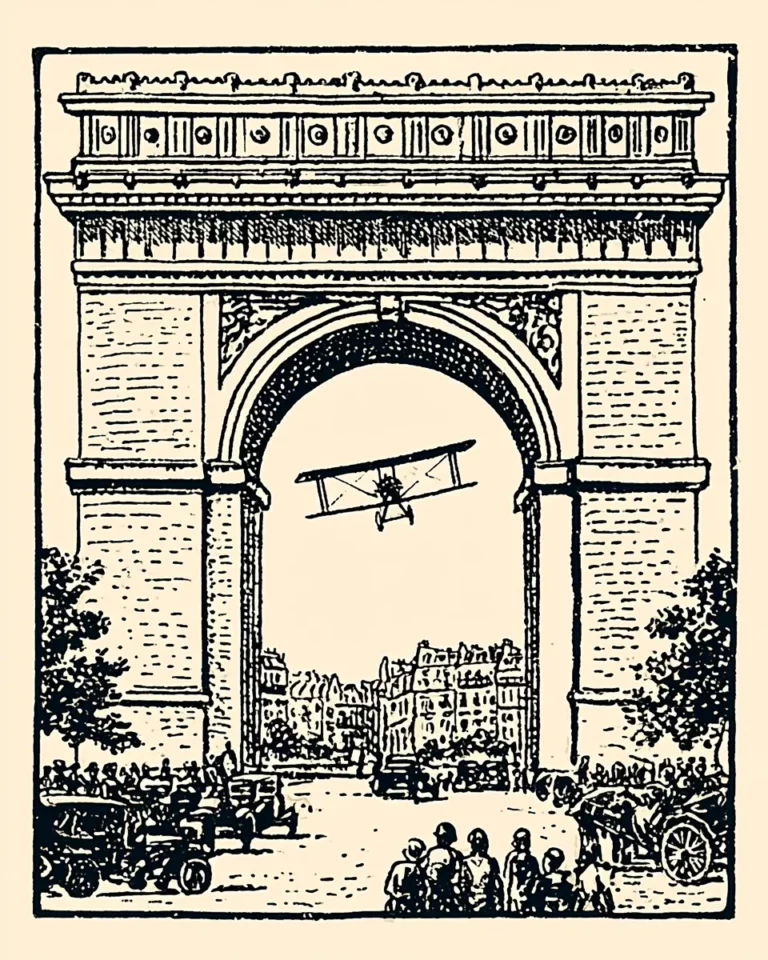
Charles Godefroy Flies Through the Arc de Triomphe
Weeks after the Victory Parade, former fighter pilot Charles Godefroy flies his Nieuport through the Arc de Triomphe in one of French aviation’s boldest feats.
Read this edition