
MANHATTAN PARIS
Issue 1 – Paris – New York
The Low-Cut Dress
A Symbol of Freedom in the Roaring Twenties
Lighter, bolder and more comfortable, the low-cut dress became a symbol of women’s freedom and emancipation during the Roaring Twenties.
A NEW SILHOUETTE
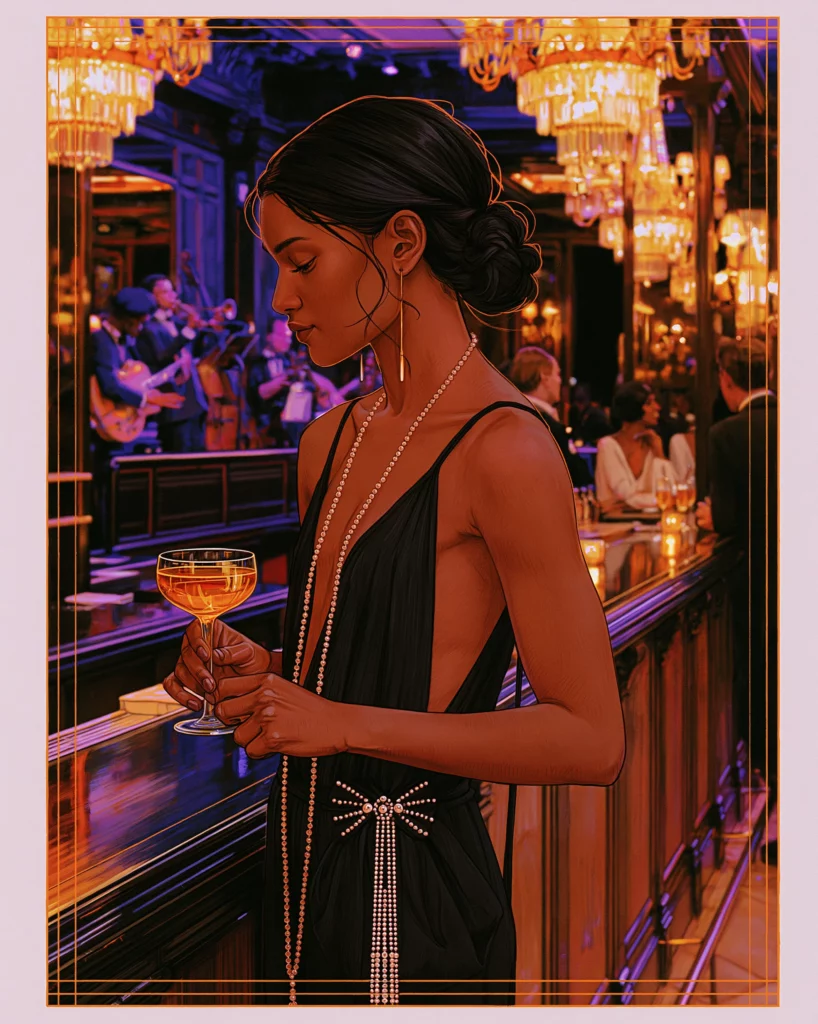
The low-cut dress became one of the most striking symbols of the Roaring Twenties. Lighter, bolder and more comfortable than traditional clothing, it accompanied women’s emancipation and the emergence of a new, more independent silhouette.
A dress that frees movement even before it reveals the skin.
01
A New Tool of Seduction for Women
The 1920s were a period of profound social and cultural upheaval in Europe and the United States. After the ordeal of the First World War, a new generation longed for greater freedom and sought to break with many conventions inherited from the nineteenth century.
This transformation was reflected in many areas, especially women’s fashion. Among the decade’s emblematic garments was the low-cut dress, which broke with the rigid dress codes of previous generations.
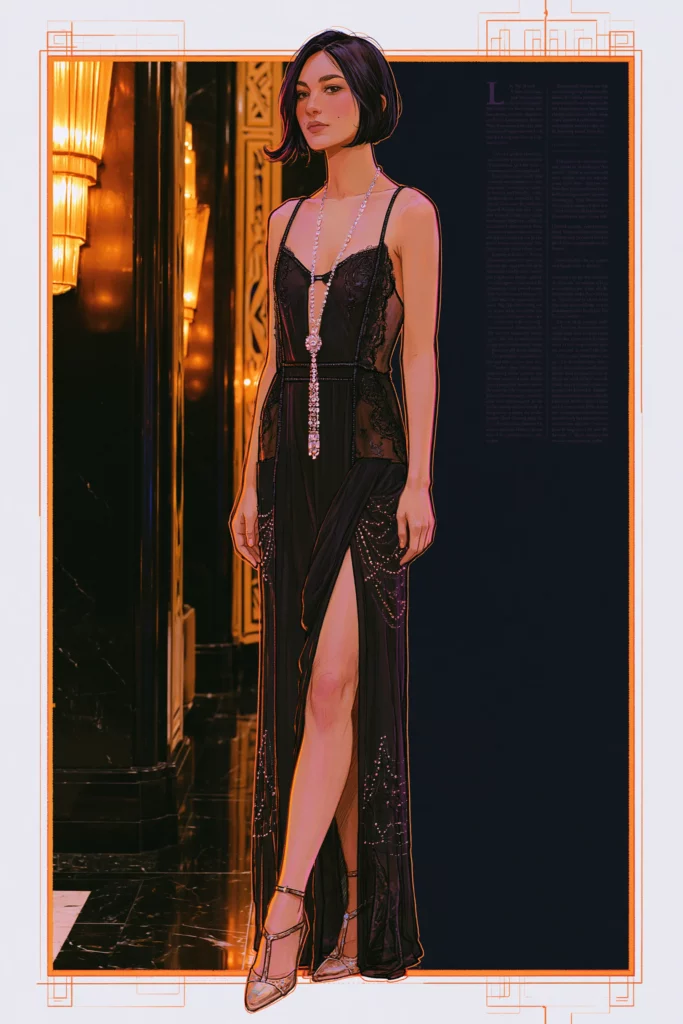
BEFORE THE BREAK
Before the 1920s, women’s fashion was dominated by long, voluminous dresses, often worn with corsets that severely constrained the body.
The war, however, changed women’s place in society. While men were mobilized at the front, women filled many jobs and gained greater autonomy.
Lighter, shorter and bolder, the dress became the symbol of a new woman asserting her independence and personality.
At the end of the conflict, many women refused to return completely to older patterns of behavior. This evolution naturally appeared in the way they dressed.
The Reign of the Pearl Necklace
The Body Rediscovers Movement
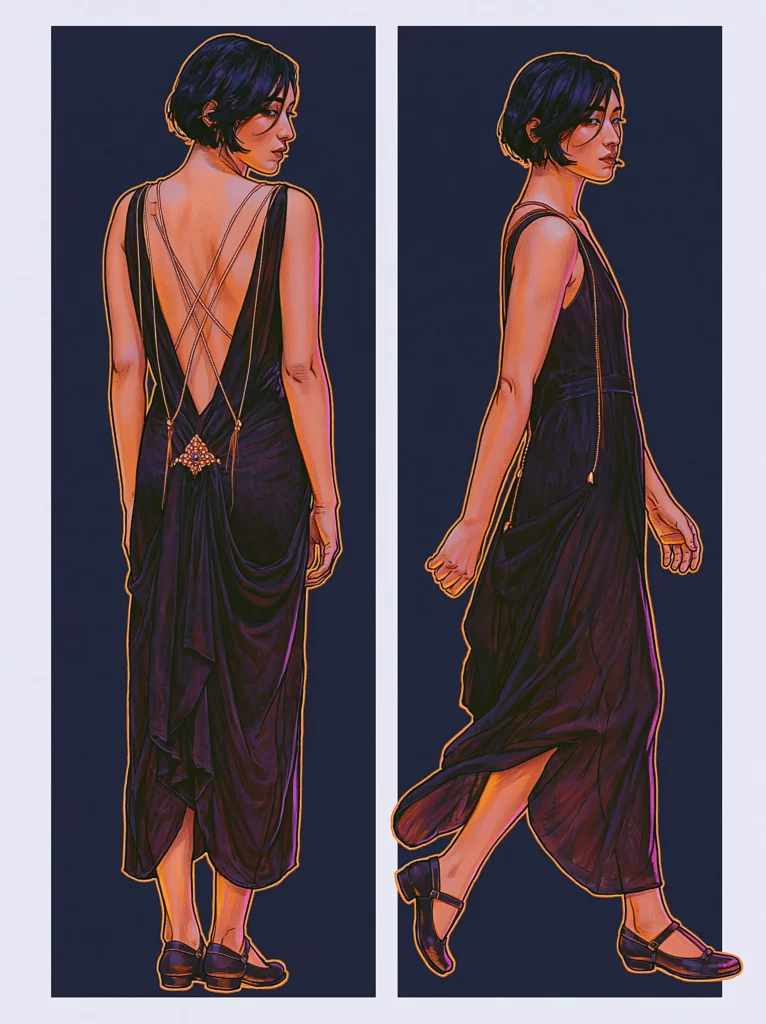
This evolution in fashion had important consequences for women’s lives. First, it offered greater physical freedom. Women could walk, work, drive or take part in leisure activities with greater ease.
The popularity of modern dances such as the Charleston perfectly illustrates this transformation. Light, low-cut dresses followed fast and dynamic movements that would have been difficult in the heavier clothing of earlier decades.
Changing Attitudes
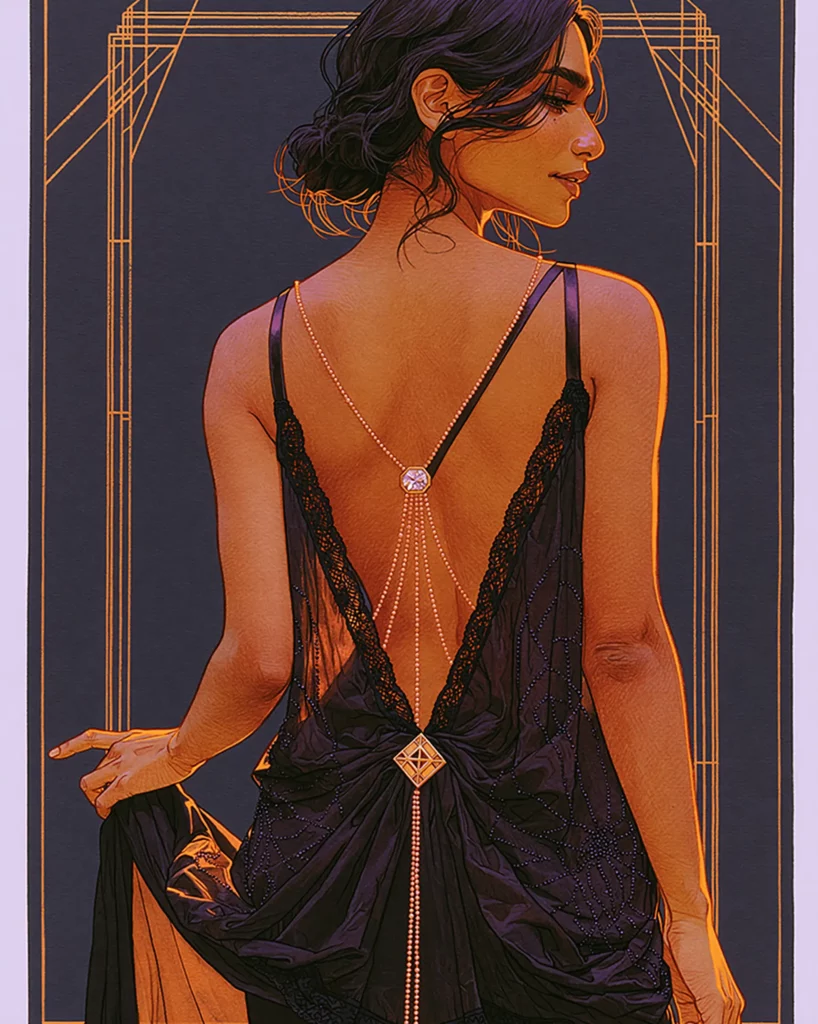
The low-cut dress became a genuine clothing revolution. Skirts gradually rose to the knee, sleeves shortened, and some cuts revealed more of the arms, shoulders or back.
Fashion designers favored straight, fluid lines that freed the body. The famous figure of the “garçonne,” or flapper, perfectly embodied this new aesthetic. Women cut their hair, abandoned the corset and adopted clothes that encouraged movement and comfort.
It expressed a desire for modernity and individual freedom. Some conservative circles considered these outfits too daring or provocative. Yet their success showed that society was changing and that women were becoming increasingly visible in public life.
The Art of Suggestion
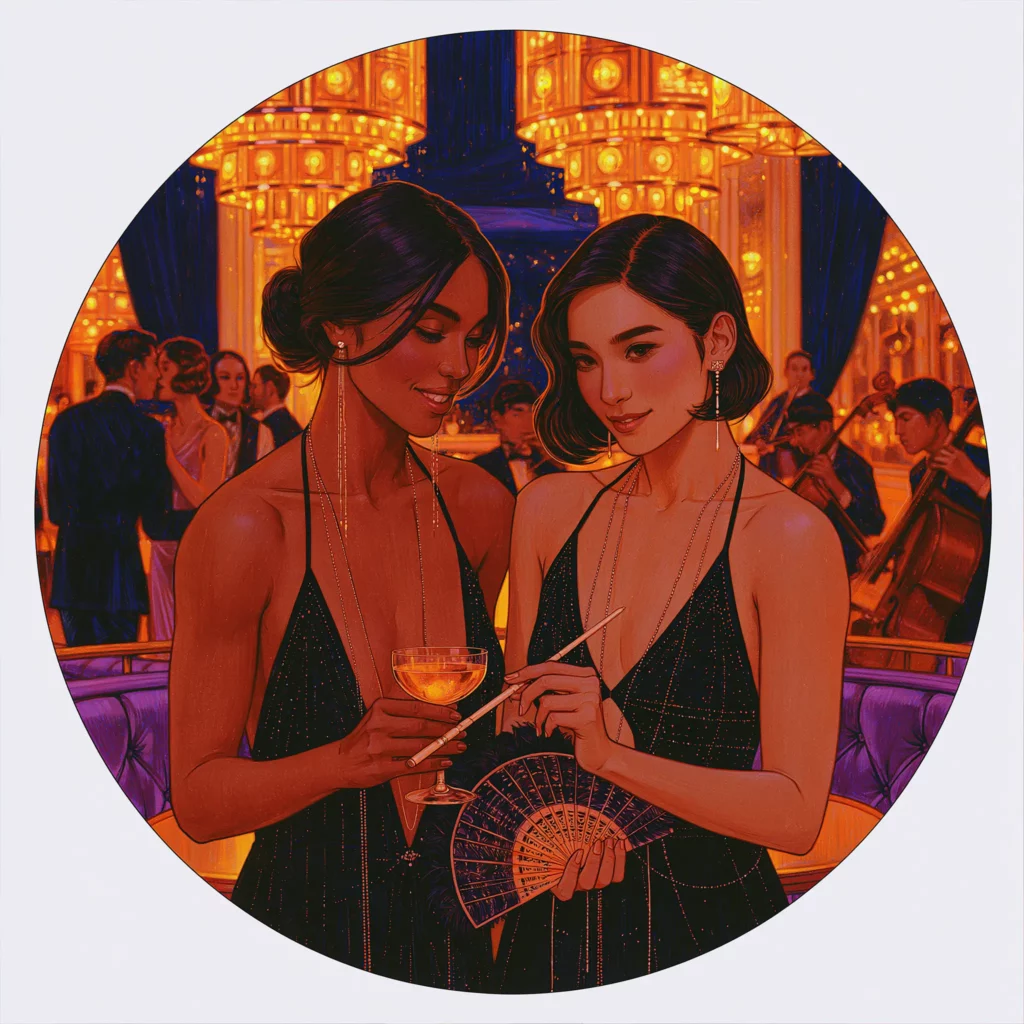
Beyond its social significance, the low-cut dress also possessed a powerful seductive appeal. Its main strength lay in suggesting rather than revealing everything.
Necklines and cutouts drew the eye to the shoulders, nape, back or legs while preserving a sense of elegance. This subtlety contributed greatly to the garment’s charm.
Seduction no longer relied on layers of fabric or silhouettes artificially shaped by corsets, but on a more natural celebration of the female body.
Skin appears in flashes, between the movement of fabric and the light of the salons.
Light Fabrics and Pearl Necklaces
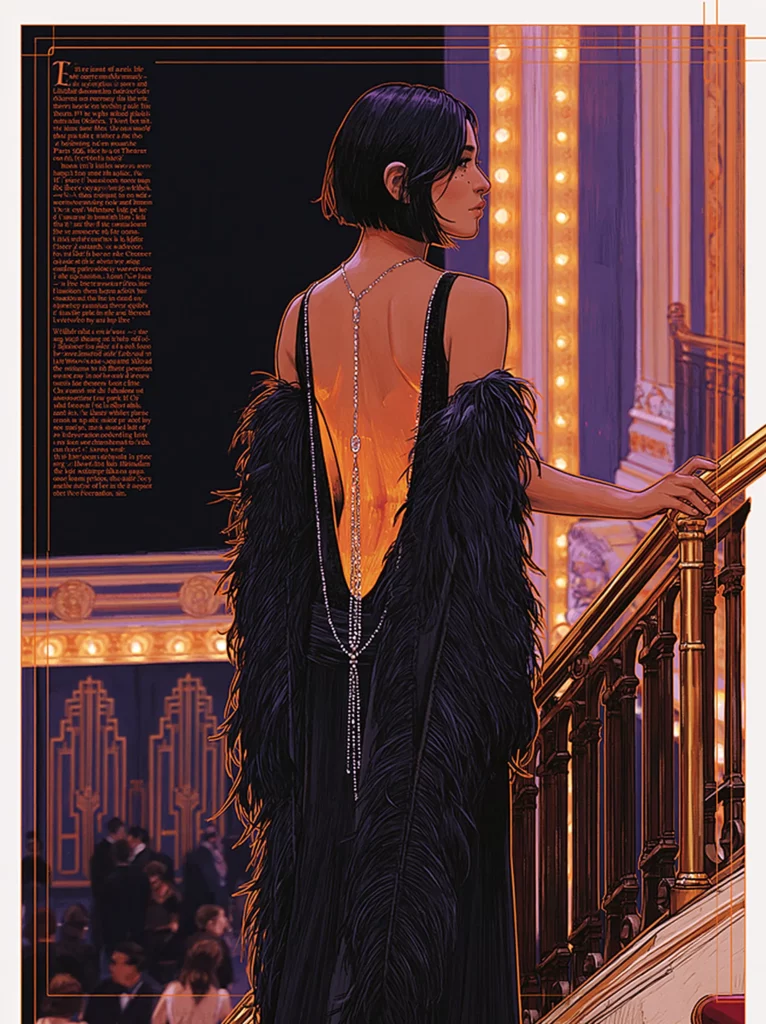
The visual effect of these dresses was reinforced by their materials. Light fabrics, fringes, beads and embroidery moved with the body and created an impression of fluidity.
When women danced, the dress seemed to come alive with them. This combination of freedom of movement and elegance strongly contributed to its appeal, projecting the image of a dynamic, confident and modern woman.
Jewelry no longer closes the dress: it emphasizes the freedom of its line.
The low-cut dress of the 1920s was therefore far more than a simple garment. It represented an important stage in the history of fashion and in women’s emancipation.
By breaking with the clothing constraints of the past, it accompanied the emergence of a new female identity based on autonomy, comfort and self-assertion. Its success reflected a changing society in which women claimed greater freedom both in daily life and in their appearance.
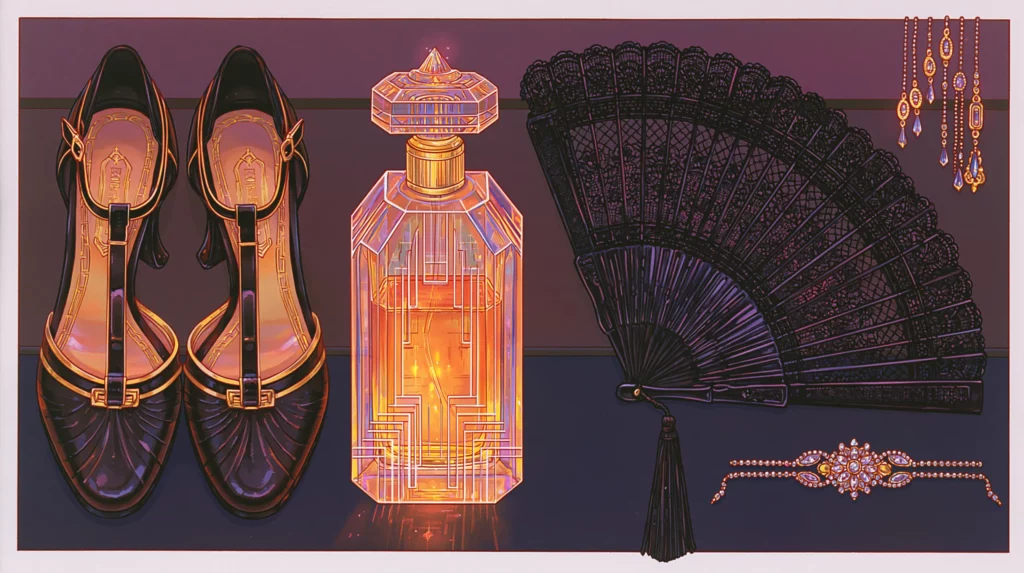
STRAP SHOES
ART DECO PERFUME
EVENING FAN
PEARL NECKLACE
Even today, this dress continues to inspire fashion designers. Its timeless elegance, controlled boldness and ability to flatter the silhouette without excess explain why it remains associated with glamour and modernity.
A legacy of the Roaring Twenties, it reminds us that a garment can be an aesthetic object, a social symbol and a powerful means of personal expression all at once.
Manhattan Paris
Discover other issues
The French Gazette