

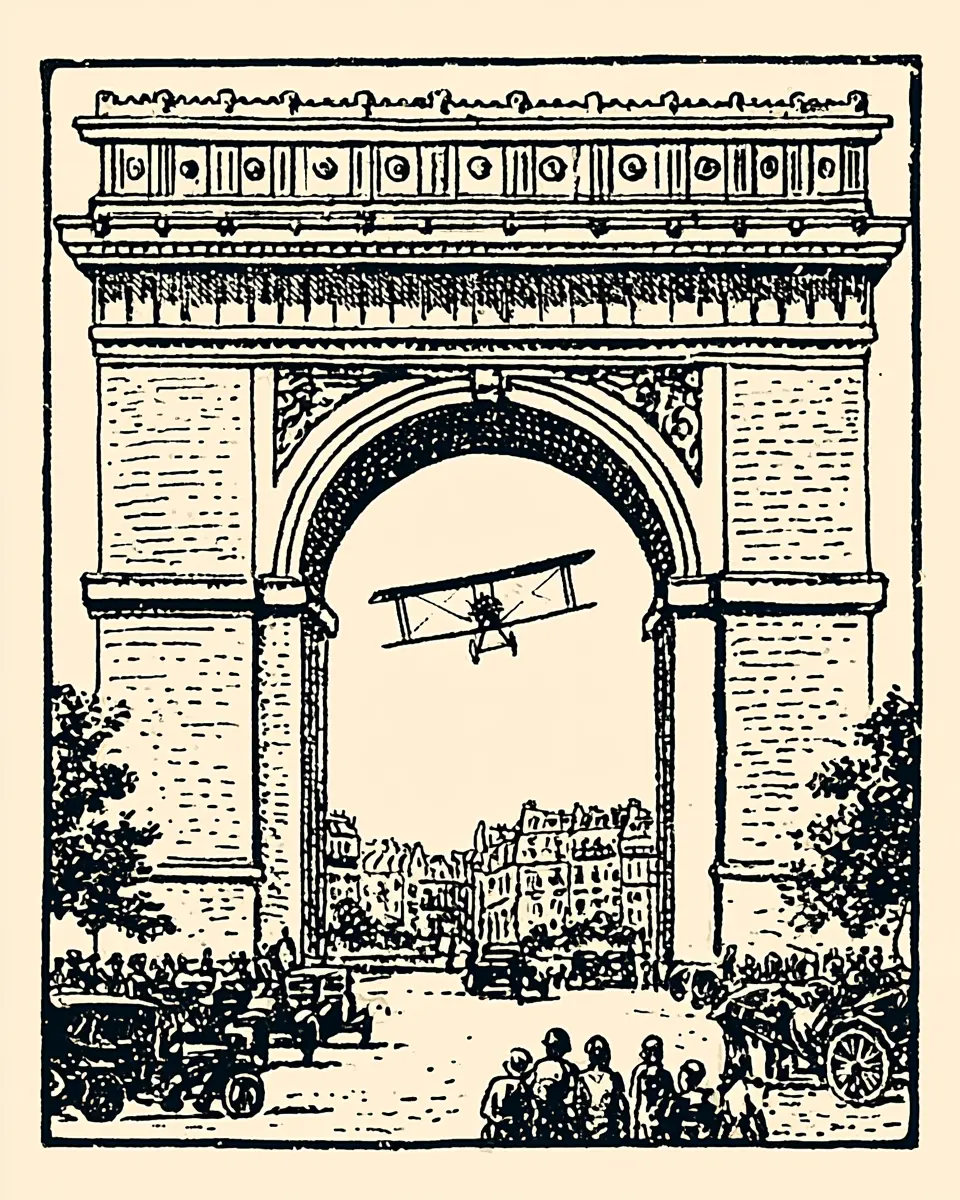
Charles Godefroy Flies Through the Arc de Triomphe
On July 14, 1919, Paris celebrates the Allied victory with a huge military parade. Infantrymen, artillerymen and cavalrymen march down the Champs-Élysées to the cheers of the crowd. The aviators, however, receive an instruction they find deeply humiliating: they are to parade on foot.
For men who risked their lives in the skies over France, the decision is hard to accept. Many believe aviation, which profoundly transformed warfare, deserves a more prestigious place. Among them is Jean Navarre, one of France’s most famous aces. He imagines a spectacular protest: flying through the Arc de Triomphe. But a few days before the planned demonstration, Navarre is killed during a training flight. The project appears to be abandoned.
A Successful New Attempt
Another pilot nevertheless decides to revive the idea. His name is Charles Godefroy. A discreet and experienced former fighter pilot, he carefully prepares the flight. For several days he observes the site, studies the air currents and measures the opening beneath the Arc de Triomphe. The passage is about 14 meters wide. His Nieuport 11 has a wingspan of just over 7 meters. The margin for error is tiny.
On the morning of August 7, 1919, Godefroy takes off from Villacoublay. He discreetly follows the Seine before reaching the Champs-Élysées. Above the Place de l’Étoile, he suddenly drops altitude. Only a few meters above the ground, he lines up his aircraft perfectly with the arch. In a fraction of a second, the Nieuport flies through the Arc de Triomphe before the astonished eyes of motorists, coachmen and passersby.
An Aviation Pioneer
The aircraft then climbs again and disappears above the rooftops of Paris. A nearby camera records the scene, and the images quickly travel around the world. The authorities open an investigation. Many demand exemplary punishment. In the end, Charles Godefroy escapes a severe sentence. His feat is considered reckless, but his military record and the special circumstances of the postwar period bring him a degree of leniency.
Even today, the flight remains one of the most famous episodes in aviation history. It symbolizes an era when pilots were seen as adventurers capable of pushing every limit. Other feats would soon follow: crossings of the English Channel and the Atlantic, followed by speed and altitude records. In 1919, the sky still belongs to the pioneers. Charles Godefroy has reminded France that the heroes of the Great War sometimes prefer to fly rather than walk.
The latest editions of The French Gazette
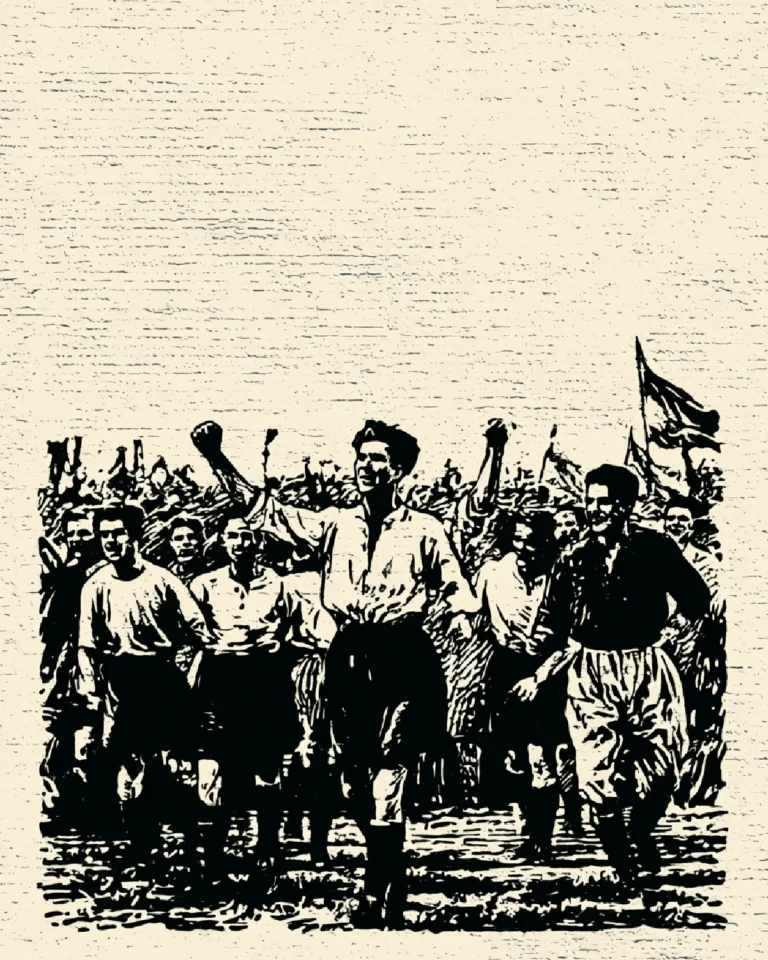
FC Sète Finally Wins the Coupe de France
On April 27, 1930, FC Sète wins the first Coupe de France in its history, defeating Racing Club de France 3–1 after extra time.
Read this edition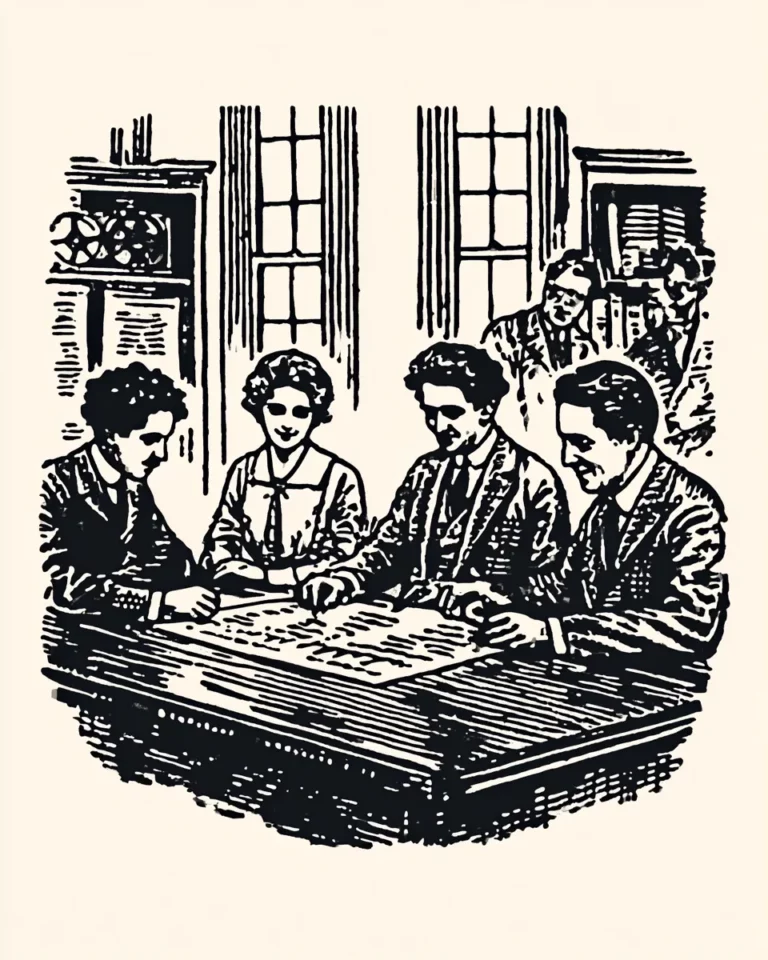
Charlie Chaplin and His Friends Launch United Artists
Charlie Chaplin, Mary Pickford, Douglas Fairbanks and D. W. Griffith join forces to create their own distribution company and regain control over their films.
Read this edition